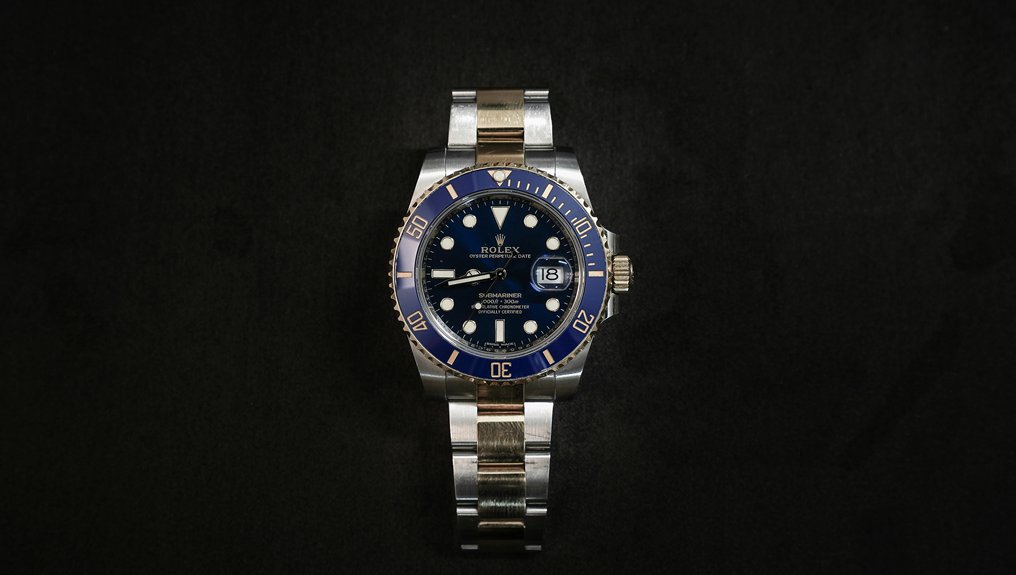
Did you know that nearly 10% of Rolex watches stop functioning at some point due to various reasons? If your Rolex isn’t running, it could be more than just a simple issue. Mechanical problems, lack of wear, or even environmental factors might be at play. Understanding these common causes can help you troubleshoot the situation effectively. So, what exactly leads to your prized timepiece losing its tick?
Mechanical Issues Within the Movement
When you notice your Rolex watch has stopped ticking, one of the first things to contemplate is the mechanical issues within the movement.
Rolex watches are intricate machines, and even a minor malfunction can lead to a halt. The gear train, which transfers energy from the mainspring, may have debris or damage, disrupting the flow.
Additionally, the escapement mechanism, vital for regulating time, could be misaligned or worn out. Lubrication, essential for smooth operation, can degrade over time, leading to friction and stalling.
Finally, a damaged balance wheel can throw the entire mechanism off-kilter. Understanding these mechanical components can empower you to seek the right expertise to restore your timepiece, ensuring it continues to reflect your connection to precision and craftsmanship.
Lack of Regular Wear
When you own a Rolex with automatic movement, it relies on your wrist’s motion to keep running smoothly.
If you haven’t worn it in a while, the lack of activity can lead to the watch stopping, as the rotor needs movement to wind the mainspring.
Understanding this connection between inactivity and your watch’s performance is essential for maintaining its functionality.
Automatic Movement Mechanics
Although automatic watches are designed to wind themselves through the motion of your wrist, they can become inactive if not worn regularly. The mechanics behind this are fascinating.
Inside your Rolex, a rotor moves with your arm’s motion, converting kinetic energy into potential energy, which powers the watch. If you leave your watch unworn for a while, the rotor can’t spin, and the energy isn’t replenished.
This inactivity means your watch may stop running, leading to issues with accuracy and timekeeping. To keep your automatic Rolex in prime condition, regular wear is essential.
If you’re not wearing it daily, consider investing in a watch winder to maintain its movement and keep your cherished timepiece ready for when you need it.
Impact of Inactivity
Inactivity can have a significant impact on your Rolex watch’s performance. When you don’t wear your watch regularly, the movement inside can stop, as it relies on kinetic energy generated by your wrist’s motion.
If it’s left unworn for an extended period, the lubricants can settle, leading to potential friction and less accurate timekeeping when you finally do wear it again.
Additionally, dust and moisture can accumulate, potentially harming its intricate mechanics.
To keep your Rolex in prime condition, consider investing in a watch winder. This device mimics wrist movement, ensuring your watch stays active and ready to wear.
Insufficient Power Reserve
A Rolex watch, like any mechanical marvel, relies on a sufficient power reserve to keep ticking accurately. If you haven’t worn your watch for an extended period, it might stop due to insufficient power.
Rolex movements are designed to store energy, typically lasting around 48 hours. If the mainspring isn’t fully wound, your watch won’t have the energy it needs to function.
To avoid this, make it a habit to wear your watch regularly or consider a watch winder for those times you take it off.
Magnetism and Its Effects
If you’ve ever noticed your Rolex acting erratically, magnetism might be the culprit.
Exposure to strong magnetic fields can disrupt the delicate balance of the watch’s movement, causing it to stop or lose accuracy.
Understanding how magnetism affects your timepiece is essential for maintaining its precision and longevity.
Magnetic Field Exposure
Magnetic fields are all around us, and surprisingly, they can considerably impact the accuracy of your Rolex.
Everyday items like speakers, smartphones, and even certain types of jewelry generate magnetic fields that can disrupt your watch’s movement. If you’ve noticed a sudden change in timekeeping or your Rolex has stopped altogether, exposure to strong magnetic fields might be the culprit.
To protect your timepiece, it’s wise to keep it away from these sources whenever possible.
Rolex has made strides in combating magnetism by using innovative materials, but no watch is entirely immune. Understanding this factor allows you to safeguard your investment and enjoy your Rolex’s precision for years to come, keeping you part of the elite community of watch enthusiasts.
Impact on Movement
While you mightn’t notice it in your daily life, magnetism can greatly disrupt the intricate movement of your Rolex. When exposed to strong magnetic fields, the delicate balance of your watch’s movement can be thrown off, leading to inaccurate timekeeping or even complete stoppage.
Here’s how magnetism can affect your timepiece:
- Hairspring Damage: The hairspring can become magnetized, affecting its ability to oscillate properly.
- Timekeeping Errors: Your watch may gain or lose time considerably, impacting its reliability.
- Complete Stoppage: In severe cases, magnetism can cause your Rolex to stop altogether.
- Complicated Repairs: Repairing a magnetized movement can be complex, requiring specialized attention.
Protecting your Rolex from magnetic fields guarantees it continues to perform at its best.
Environmental Factors
Although Rolex watches are renowned for their durability and precision, environmental factors can still play a significant role in their function.
Extreme temperatures, for instance, can affect the lubricants inside your watch, causing them to thicken or thin, which might disrupt the movement.
Humidity can lead to moisture buildup, risking corrosion or damage to internal components.
Additionally, exposure to magnetic fields from everyday devices can interfere with the delicate mechanisms within your Rolex.
Even dust and dirt can accumulate, impacting performance.
To keep your timepiece running smoothly, it’s important to be mindful of these elements.
Need for Maintenance and Servicing
Even the most finely crafted Rolex watches require regular maintenance and servicing to guarantee they continue to perform at their best.
Regular upkeep not only guarantees accuracy but also preserves your timepiece’s value.
Here are four key aspects to take into account:
- Lubrication: Guarantees smooth movement of internal components.
- Cleaning: Removes dust and dirt, preventing wear and tear.
- Regulation: Keeps timekeeping accurate, adjusting for any deviations.
- Inspection: Identifies potential issues before they escalate.
Damage From Water Exposure
When you wear a Rolex, you might assume its water resistance protects it from potential damage, but that assumption can lead to costly mistakes.
Even a small breach in the seal can allow moisture to enter the watch, leading to corrosion and rust on internal components. Over time, this can severely affect functionality and accuracy.
Additionally, if you dive or swim with your watch, it’s vital to confirm the crown is fully screwed in and the case has been properly maintained. Water exposure can compromise the lubricants inside, causing the movement to slow or stop altogether.
Regular checks and servicing are essential to keep your timepiece in peak condition, guaranteeing it continues to reflect your taste and status.
Battery or Quartz Movement Problems
If you own a Rolex with a quartz movement, you mightn’t think about battery issues until your watch suddenly stops. Quartz movements are known for their accuracy, but they rely heavily on batteries.
Here are some common battery-related problems you should consider:
- Dead Battery: This is the most obvious reason. A battery typically lasts 2-3 years before needing replacement.
- Corrosion: Battery leakage can damage the contacts and movement, causing your watch to malfunction.
- Poor Contact: If the battery isn’t seated correctly, it may not provide consistent power.
- Movement Issues: Sometimes, the movement itself can have problems unrelated to the battery, which can also halt operation.
Regular maintenance can help prevent these issues, ensuring your Rolex keeps ticking beautifully.